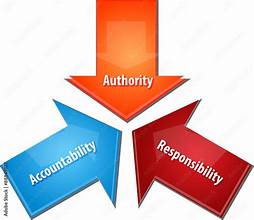
Organizations love to talk about accountability. They assign owners, define metrics, and set expectations. But accountability only works when the person responsible for an outcome also controls the levers that drive it.
When responsibility and authority diverge, execution stalls, frustration rises, and leaders misdiagnose the problem as performance instead of structure.
You can’t hold someone accountable for results they don’t have the power to influence.
The Real-World Example
A Head of Customer Success was told she was accountable for reducing churn. On paper, it made sense. She owned the customer relationship. She had the most visibility into customer sentiment. She was closest to the problem.
But she didn’t control the levers:
- Pricing decisions sat with Finance.
- Product roadmap sat with Product.
- Support staffing sat with Operations.
- Customer communication sat with Marketing.
She owned the metric — but not the system.
Churn didn’t improve. Leadership blamed the CS leader. But the real issue wasn’t performance. It was structural misalignment.
Once the company aligned authority with responsibility — giving her influence over pricing exceptions, roadmap prioritization, and support capacity — churn dropped within two quarters.
Why Accountability Fails Without Authority
Accountability collapses when leaders expect outcomes without enabling ownership.
1. Misaligned Incentives
People can’t drive results they don’t control.
2. Decision Bottlenecks
Teams wait for approvals from functions that don’t feel the urgency.
3. Conflicting Priorities
Other teams optimize for their own goals, not the shared outcome.
4. Frustration and Burnout
Responsible leaders feel blamed for problems they can’t fix.
5. Leadership Blind Spots
Executives misinterpret structural issues as performance issues.
The Cost of Misaligned Accountability
When authority doesn’t match responsibility, the organization pays the price.
Execution Drag
Work slows because decisions sit with the wrong people.
Inconsistent Results
Outcomes vary because no one owns the full system.
Cross-Functional Tension
Teams argue over who should act — and who should decide.
Talent Loss
High performers leave when they’re held accountable without power.
Strategic Drift
Metrics move unpredictably because ownership is fragmented.
How to Align Authority and Responsibility
Fixing accountability isn’t about assigning blame — it’s about aligning power.
1. Map the Levers
Identify every decision that influences the outcome.
2. Assign True Ownership
Give the accountable leader authority over the levers that matter.
3. Clarify Decision Rights
Define who decides, who contributes, and who executes.
4. Remove Structural Barriers
Eliminate approval chains that slow down the owner.
5. Align Incentives
Tie goals and rewards to the outcomes the owner controls.
6. Create Cross-Functional Agreements
Document how teams support the accountable owner.
7. Review Ownership Quarterly
As the business evolves, ownership must evolve with it.
The Board’s Lens
Boards often see the symptoms — inconsistent metrics, stalled initiatives, frustrated leaders — but not the structural misalignment underneath. Boards can help by asking:
- “Does the accountable leader control the levers that drive this outcome?”
- “Where is responsibility fragmented across functions?”
- “What decisions sit with people who don’t own the results?”
- “How do we ensure authority scales with responsibility?”
Boards that challenge misaligned accountability strengthen the entire operating system.
Final Thought
Accountability only works when authority matches responsibility. Organizations that align the two move faster, reduce friction, and empower leaders to deliver real results.
Because in the end, responsibility defines the outcome — authority enables it.