Every organization has a forecasting process. Numbers are gathered, models are updated, and leaders present their projections with confidence. But behind the spreadsheets and slide decks, something else is often happening — something subtle, cultural, and deeply human.
Forecasts stop being strategic tools and start becoming performances.
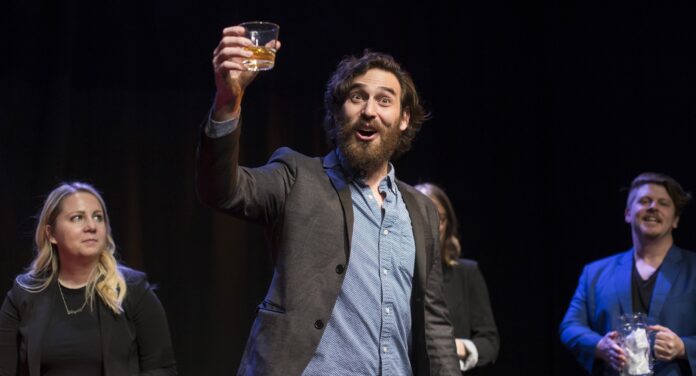
This is Forecast Theater — the ritualized process where forecasts are shaped not only by data, but by incentives, internal politics, and the desire to tell a compelling story. The numbers may look precise, but the process behind them is anything but.
Forecast Theater doesn’t just distort accuracy. It distorts truth. And it quietly erodes the organization’s ability to make real decisions.
What Is Forecast Theater?
Forecast Theater is the gap between the forecast an organization believes and the forecast it presents. It’s the choreography of meetings, revisions, and narrative-building that turns forecasting into a performance rather than a discipline.
It shows up in:
- Forecasts that always “round up” to the target
- Numbers that look clean but rest on fragile assumptions
- Teams presenting what leaders want to hear, not what they see
- Forecasts that change dramatically right before the quarter ends
- Decks that emphasize narrative over evidence
Forecast Theater is not lying. It’s storytelling — but storytelling that replaces clarity with comfort.
Why Forecast Theater Happens
Forecast Theater emerges from predictable forces inside every organization. It’s not malicious. It’s structural.
1. Incentives Reward the Story
If leaders are rewarded for hitting targets, they will shape forecasts to match those targets. If teams are punished for misses, they will sandbag. Incentives create the script.
2. Pressure to Impress
Boards, investors, and executives expect confidence. Teams respond by presenting forecasts that look polished, even when uncertainty is high.
3. Fear of Being Wrong
Forecasting is inherently uncertain. But many cultures treat misses as failures rather than learning opportunities. So teams present the safest version of the truth.
4. Data That Lags Reality
When data is incomplete or outdated, teams fill the gaps with narrative. The story becomes the glue that holds the forecast together.
5. The Illusion of Precision
A forecast with decimal points looks scientific. But precision is not accuracy — and it often hides the uncertainty underneath.
The Cost of Forecast Theater
Forecast Theater is expensive — not because it wastes time, but because it distorts decisions.
Strategic Blind Spots
When forecasts are shaped to meet expectations, leaders lose visibility into real risks.
Misallocated Resources
Budgets, hiring plans, and investments are built on forecasts. When the forecast is theater, the plan is fiction.
Lost Credibility
Boards and investors quickly recognize when forecasts are consistently off in the same direction.
Execution Whiplash
Teams scramble when reality diverges from the story they were told to believe.
Cultural Erosion
When people feel they must perform rather than report, transparency disappears.
How to Recognize Forecast Theater
Forecast Theater becomes visible when you look for the right signals:
- Forecasts that always match the target
- Sudden end-of-quarter “adjustments”
- Forecasts that change dramatically month to month
- Teams using narrative to explain away weak data
- Forecasts that are consistently optimistic or consistently conservative
- Leaders who ask for better numbers instead of better assumptions
If these patterns appear, the organization is performing forecasting, not practicing it.
How to End Forecast Theater
Ending Forecast Theater requires shifting from performance to discipline — and from narrative to truth.
1. Separate Forecasts From Targets
Targets are aspirations. Forecasts are predictions. When the two are conflated, theater begins.
2. Reward Accuracy, Not Optimism
Teams should be recognized for realistic forecasting, not for telling leaders what they want to hear.
3. Make Assumptions Explicit
Every forecast should include its top assumptions — and the risks if they fail. Transparency kills theater.
4. Use Ranges, Not Single Numbers
Forecast ranges reflect uncertainty. Single numbers create false precision.
5. Build a Forecasting Operating Rhythm
Regular reviews of assumptions, trends, and variance reduce the need for last-minute theatrics.
6. Create Psychological Safety
Teams must feel safe presenting uncomfortable truths. Without safety, theater wins.
7. Track Forecast Bias Over Time
Patterns reveal truth. If forecasts consistently lean optimistic or conservative, the culture is shaping the numbers.
The Board’s Role in Ending Forecast Theater
Boards often see the performance but not the process. They can help by asking:
- “What assumptions drive this forecast?”
- “How does this compare to our historical bias?”
- “What would change this forecast materially?”
- “Where is uncertainty highest?”
- “What are the early indicators we should watch?”
Boards that challenge the narrative — not just the number — help management build more honest forecasting systems.
Final Thought
Forecast Theater is not a forecasting problem. It’s a cultural problem. Organizations that end the theater build trust, improve accuracy, and make better decisions. They replace performance with discipline and narrative with truth.
Because in the end, forecasts are not a show. They are a signal.